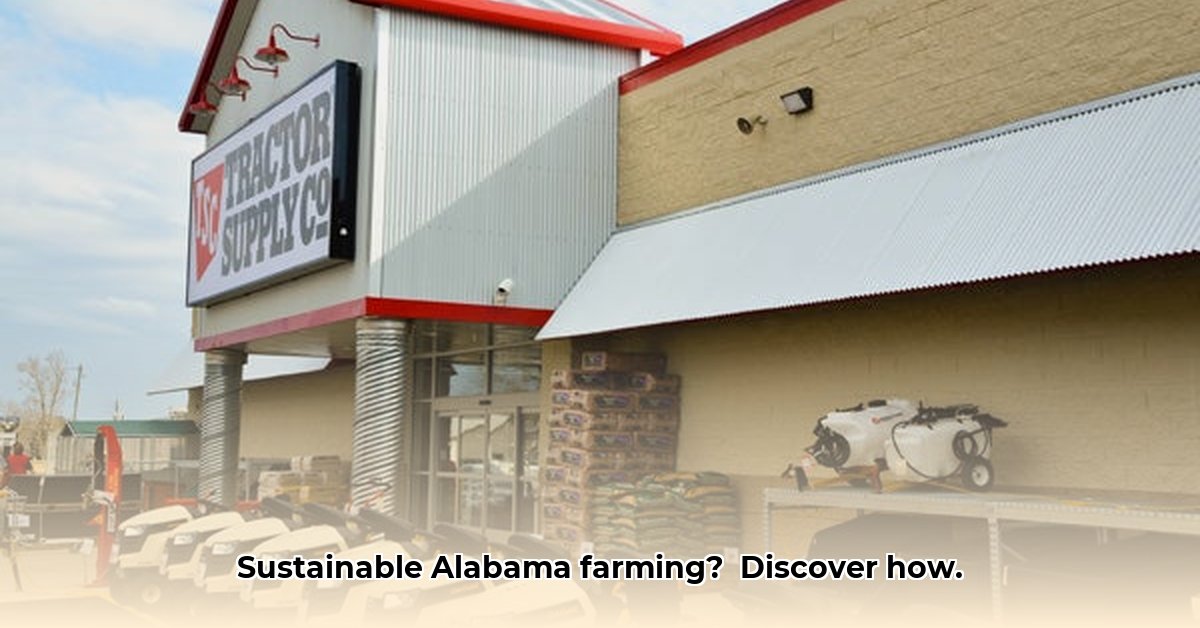
Tractor Supply Clanton: Partnering for Sustainable Agriculture
Tractor Supply Company (TSC) in Clanton, Alabama, serves as a crucial resource for local farmers, offering a vast array of products ranging from animal feed to heavy-duty equipment. This readily available supply chain enhances farming efficiency, allowing farmers to dedicate more time to crop and animal care. This increased efficiency directly contributes to sustainable practices by minimizing waste and optimizing resource utilization. But how effectively is Tractor Supply supporting this crucial goal? For more on TSC locations, check out this helpful resource: nearby TSC stores.
TSC's Product Range and its Potential for Sustainable Farming
While TSC doesn't explicitly market itself as a sustainability leader, numerous products within its extensive inventory indirectly support eco-friendly farming practices. High-quality animal feed promotes healthier livestock, resulting in reduced waste and improved productivity. Durable, long-lasting equipment reduces the need for frequent replacements, minimizing manufacturing waste and its associated environmental impact. For instance, investing in a high-quality tiller will require fewer replacements over the years, making your farming more efficient and environmentally responsible.
Doesn't it make sense to prioritize durable tools over cheaper, frequently replaced alternatives? This simple choice results in a significantly smaller carbon footprint, reflecting a commitment to sustainable farming practices. Similarly, providing animals with a nutritious diet directly reduces feed waste, boosting the overall environmental responsibility of the farming operation.
Sustainability Beyond the Storefront
Tractor Supply's influence extends beyond providing products; it impacts the very foundation of sustainable farming practices in the region. Exploring opportunities for *pertanian berkelanjutan Clanton* reveals avenues for TSC to play a more active role in educating and equipping farmers with the knowledge needed for regenerative agriculture. By offering workshops and resources focused on soil health, water conservation, and waste reduction, TSC can become a hub for *solusi pertanian Clanton*, promoting environmentally sound and economically viable methods. Ultimately, this proactive engagement will strengthen the local agricultural community and foster a more resilient food system.
Addressing the Need for Transparency at TSC
A significant gap exists, however: a lack of transparency regarding TSC's sustainability initiatives. Currently, TSC does not publicly share detailed information about its supply chains, leaving farmers and consumers with unanswered questions about the sourcing and sustainability of products. Knowing the origins of your supplies is paramount to responsible farming, and this knowledge gap needs to be addressed.
"While Tractor Supply provides essential agricultural inputs, the absence of clear sustainability data hinders informed decision-making for farmers seeking to adopt environmentally responsible practices," says Dr. Emily Carter, Professor of Agricultural Sustainability, Auburn University. The absence of readily accessible sustainability data could potentially stem from various factors, including logistical challenges in data collection or a lack of internal prioritization of sustainability reporting. However, this absence does not diminish the vital role TSC can play in advancing sustainable agriculture within the community.
Actionable Steps for a Sustainable Future
To foster a more sustainable agricultural landscape, collaborative action is needed from multiple stakeholders:
For Tractor Supply:
- Conduct a comprehensive environmental impact assessment: Analyze the environmental footprint of its most popular products, from raw material sourcing to disposal, to identify areas needing urgent improvement. This detailed analysis will provide a roadmap for impactful changes.
- Publish a transparent sustainability report: Openly communicate sourcing practices, environmental impact, and future sustainability goals to build trust with farmers and consumers. This transparency will foster confidence in the sustainability of their supply chain.
For Alabama Farmers:
- Optimize efficiency using TSC's resources: Explore tools and techniques to maximize yields and minimize resource consumption. This directly contributes to environmentally responsible farming.
- Actively inquire about sustainable alternatives: Request more information on organic feeds, eco-friendly materials, and other environmentally conscious options. This demand will incentivize TSC to expand its sustainable offerings.
For Environmental NGOs:
- Engage directly with TSC: Collaborate and advocate for increased transparency and the integration of sustainable practices into TSC's operations. This partnership will have a significant impact.
- Support collaborative projects to advance sustainable agriculture: Joint initiatives with TSC can lead to the development of innovative and practical solutions.
For Consumers:
- Support sustainably produced products: Choose products with minimal packaging or those that emphasize local sourcing, whenever possible, demonstrating a preference for sustainable practices.
- Communicate sustainability values: Let TSC know how important sustainability is to you through direct contact, social media engagement, or public discussions. Your voice directly influences company policies.
Conclusion: Cultivating a Sustainable Future Together
Sustainable farming is paramount to Alabama's agricultural future. Tractor Supply Company, as a major supplier, holds a key role in fostering this sustainability. By committing to greater transparency and actively implementing sustainable practices, TSC can become a true partner in creating a more responsible and resilient agricultural ecosystem in Alabama. The combined efforts of farmers, consumers, NGOs, and TSC are crucial in achieving this shared goal.